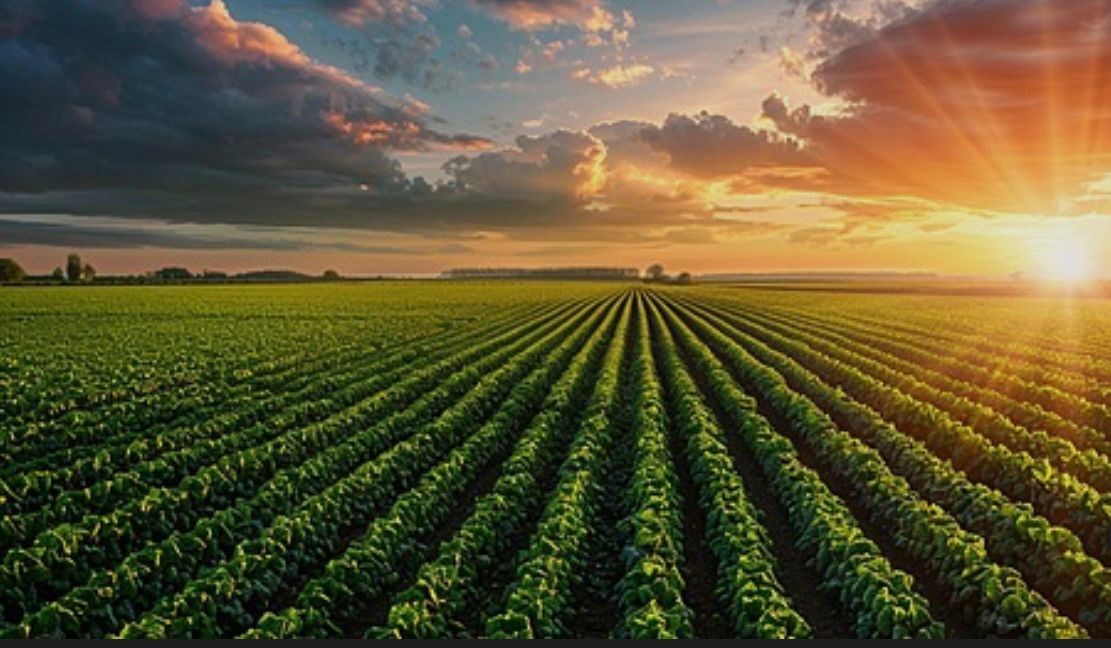
How to Buy Farmland in Brazil: Legal Guide for Foreign Investors
The Next Frontier of Brazilian Soil: Unlocking Agricultural Land Value in 2026.
The Brazilian agribusiness, a global colossus, continues to redefine investment parameters. In 2024, the national average value of agricultural land reached R$ 22,951.94 per hectare, a significant jump of 28.36% compared to 2022. This data is not just a statistical figure; it is a strategic invitation for global capital. For the international investor, understanding the market nuances and the legal structure is the fundamental key to unlocking a world-class asset.
The Valuation Landscape: What Drives Land Prices in 2026
The appreciation of agricultural land in Brazil is not an isolated phenomenon, but the result of a confluence of robust factors. Over the last six years, the sector has recorded a valuation exceeding 110%, and in the last decade, an impressive increase of 350%. This performance consistently outperforms other markets, consolidating Brazil as a powerhouse of opportunities.
- • Productivity and Technology: The adoption of cutting-edge technologies, such as precision agriculture and biotechnology, elevates productivity to global levels. EMBRAPA is a fundamental pillar in this innovation, ensuring that each hectare delivers its maximum potential. This technological advancement translates directly into higher profitability and, consequently, higher land value.
- • Logistics and Infrastructure: The expansion and improvement of logistical infrastructure, especially the paving of federal highways and the development of ports, reduce outflow costs and increase competitiveness. Areas with facilitated access to major consumer centers and strategic ports show accelerated valuation, as observed in the South and Southeast regions.
- • Legal Security and Governance: Regulatory clarity and legal security are pillars for foreign investment. Tools such as the Rural Environmental Registry (CAR) and the Foreign Property Information System (SIEF) are essential for transparency and compliance, mitigating risks and strengthening investor confidence.
Regional Benchmarks: Where Value Multiplies
Brazil is a continental nation, and its land prices reflect this diversity. The South Region, with its high productivity and consolidated infrastructure, leads the national ranking, with hectares that can exceed R$ 100,000 in strategic areas of Santa Catarina. The INCRA Land Market Atlas offers a detailed view of these variations, highlighting the importance of an in-depth regional analysis.
| Region | Avg Value per Hectare (2024) | Key Highlights |
|---|---|---|
| South | R$ 100,000+ (in SC) | High productivity, infrastructure, technology. |
| Southeast | High Premium | Proximity to markets, logistics, diversification. |
| Center-West | Accelerated Growth | Agricultural frontier expansion, grains, livestock. |
| North/Northeast | High Appreciation Potential | New frontiers, irrigation, development projects. |
Law 5.709/1971: The Legal Framework for Foreigners
How to Buy Farmland in Brazil: Legal Guide for Foreign Investors – this is the central question for international capital. The acquisition of rural land by foreigners in Brazil is regulated by Law 5.709/1971, which establishes clear, and sometimes restrictive, guidelines. It is not an unrestricted right, but a concession conditioned upon meeting specific requirements.
Main Pillars of Law 5.709/1971:
• Equivalency: Brazilian companies controlled by foreigners are treated as foreign companies for the purpose of rural land acquisition.
• Area Limits: There are size limits for acquisition, calculated based on the Indefinite Exploitation Module (MEI) of each municipality.
• Border Zones: Additional restrictions apply to the acquisition of land in border zones, considered national security areas.
• Purpose: The acquisition must be linked to agricultural, livestock, industrial, or colonization projects, with approval from INCRA.
Institutional Investment Insight
Understanding How to Buy Farmland in Brazil is the first step for any institutional fund aiming to hedge against global inflation. While the opportunities in Mato Grosso and Goiás are immense, the question of How to Buy Farmland in Brazil involves navigating a sophisticated regulatory environment. By mastering the legal prerequisites early, investors can position themselves to acquire high-yield assets before the 2026 price re-rating.
In 2026, the Supreme Federal Court (STF) has been discussing the constitutionality of these restrictions (ADPF 342 and ACO 2463), which could bring new perspectives to the legal landscape. Staying updated on these decisions is crucial for any investment strategy.
ROI and Legal Certainty: The LIR Methodology
To successfully navigate this complex market, the foreign investor needs a partner with expertise and market intelligence. ERC Fazendas, led by Woody Macedo, offers a specialized methodology: the Rural Intelligence Report (LIR).
The LIR is more than an assessment; it is a complete X-ray of the asset, covering:
- Market Analysis: Valuation projections, regional benchmarks, and trends.
- Legal Due Diligence: Verification of compliance with Law 5.709/1971, CAR, SIEF, and other regulations.
- Productive Potential: Assessment of soil, climate, water resources, and agricultural aptitude.
- Risk Analysis: Identification and mitigation of environmental, social, and governance (ESG) risks.
This holistic approach ensures that the investment is not just a land transaction, but the acquisition of a world-class strategic and technological asset, with proven security and profitability.
Your Next Step in Brazilian Agribusiness
Investing in Brazilian farmland in 2026 is a strategic move toward global food security and sustainable profitability. Woody Macedo and the ERC Fazendas team are the architects of success for investors seeking excellence.
Speak with an Expert via WhatsApp